We Remember
NYS Court Officer Memorial Lodge 35 honors the men and women whose lives, service, and sacrifice are part of our shared history. We remember those who gave their lives in service, those we lost in the years following September 11 as a result of their service at the World Trade Center, and those whose dedication and friendship helped shape our Lodge and the Court Officer family.
Court Officer Francis J. Carroll
End of Watch: May 6, 1973
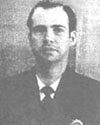
Court Officer Francis J. Carroll was killed while intervening in a robbery at the Hotel Evans in Midtown Manhattan. After witnessing two men demanding money from the hotel manager, Officer Carroll identified himself as a Court Officer. One of the assailants opened fire, killing him. The perpetrators were never apprehended.
Officer Carroll was 26 years old and had served with the New York State Courts for only five weeks. Assigned to Manhattan Criminal Court, he is remembered as the first New York State Court Officer killed in the line of duty. He was survived by his parents.
Court Officer Albert Gelb
End of Watch: March 11, 1976
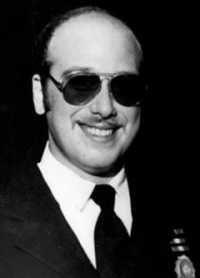
Court Officer Albert Gelb was murdered in Queens on March 11, 1976, four days before he was scheduled to testify in a criminal case against Charles Carneglia, who later became a soldier in the Gambino crime family. The case stemmed from an incident in a Queens diner in which the off-duty Officer Gelb confronted Carneglia after observing him carrying a firearm. Following a struggle, Gelb arrested Carneglia for illegal gun possession and resisting arrest.
Officer Gelb later reported receiving threats connected with the case. More than three decades after his murder, Carneglia was prosecuted in federal court. Although the jury did not reach a unanimous verdict on Gelb’s murder, the federal judge subsequently found that the government had proved that Carneglia murdered Gelb to prevent him from testifying. Officer Gelb was 27 years old and was described by federal prosecutors as New York’s most decorated Court Officer at the time of his death.
Senior Court Clerk Alphonso B. Deal
End of Watch: July 7, 1988
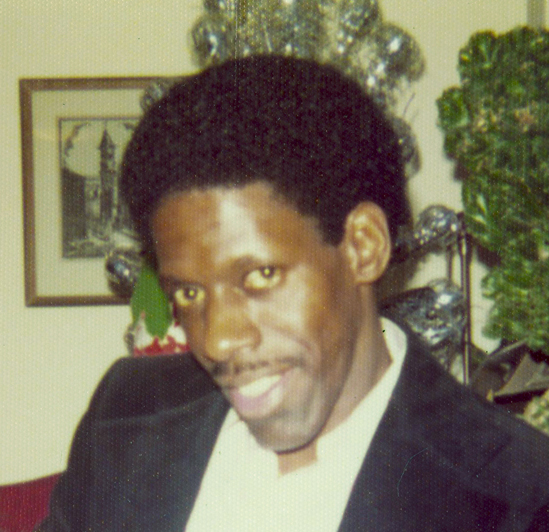
Senior Court Clerk Alphonso B. Deal was fatally shot while coming to the aid of a robbery victim on West 140th Street in Harlem. Deal pursued the armed suspect and attempted to make an arrest when the man opened fire. Although mortally wounded, Deal returned fire and wounded his assailant. He was transported to Columbia Presbyterian Hospital, where he died from his injuries.
Deal was also remembered for his commitment to the courts and the Harlem community. At a time when careers in law enforcement and the courts could be difficult for minority candidates to access, he worked to open those opportunities to others, including efforts to provide free preparation for the New York State Court Officer examination. A lifelong member of the NAACP and an active member of the Tribune Society, Deal was also a founding member of the New York State Commission on Minorities. His legacy continued after his death through the Alphonso B. Deal Scholarship Award, established by the Tribune Society in his honor.
Sergeant John A. Dauway
End of Watch: October 1, 1989
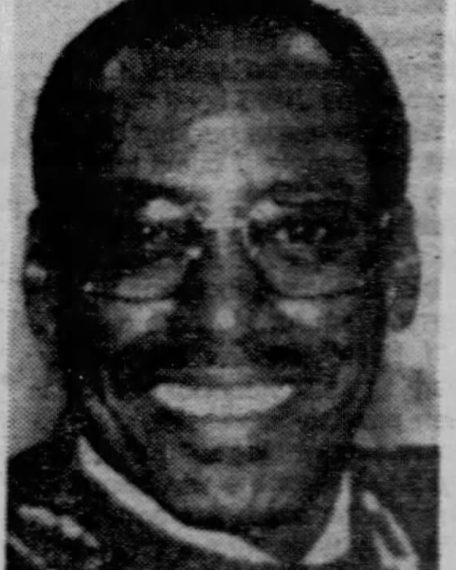
Sergeant John A. Dauway was killed on October 1, 1989, when a heavy piece of construction equipment fell from a building in Brooklyn and struck him as he walked below. He was pronounced dead at the scene. At the time of his death, Dauway was a Sergeant assigned to the Criminal Division of the New York State Supreme Court.
Before joining the New York State Courts in 1970, Dauway had served as a New York City Transit Police officer. During his 19 years with the Courts, he also worked with the employee-assistance program, helping fellow Court employees in need. Following his death, his supervisor remembered him as someone who was always there to help and as a remarkable human being. Sergeant Dauway was 48 years old.
September 11, 2001
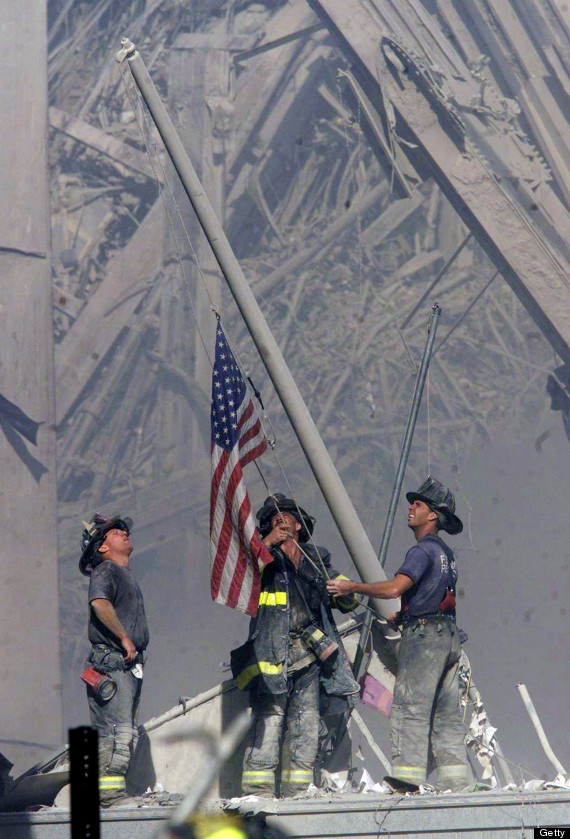
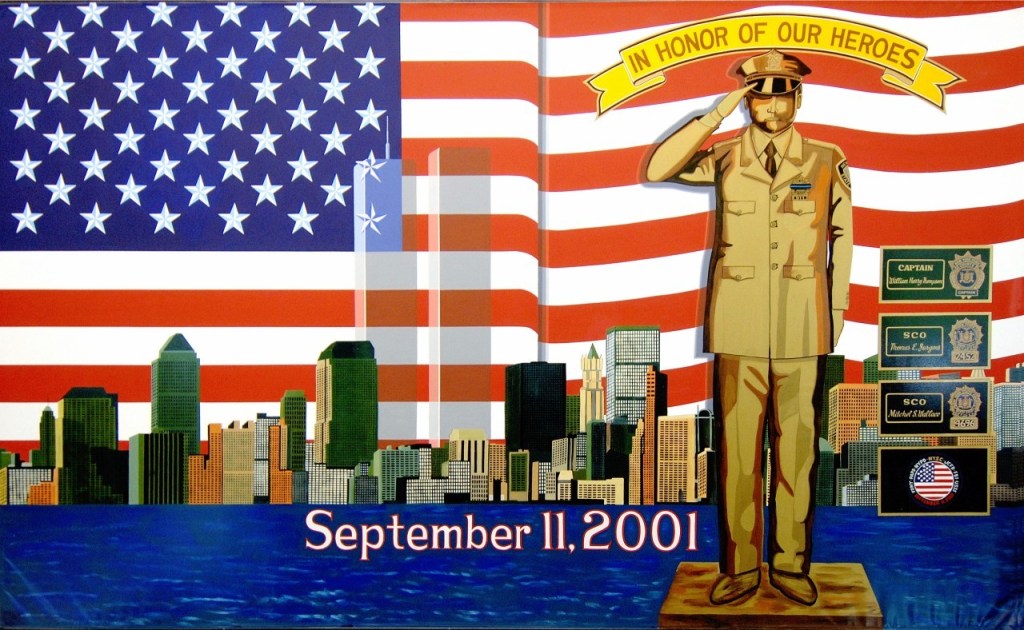
On September 11, 2001, nearly 3,000 people were killed in the terrorist attacks on the United States. Among those lost at the World Trade Center were thousands of civilians and hundreds of first responders, including 343 members of the FDNY, 23 members of the NYPD, and 37 members of the Port Authority Police Department, as well as emergency medical personnel and members of other agencies.
The New York State Courts also suffered a profound loss. Among the Court Officers who responded to the World Trade Center that morning, three did not return: Captain William Harry Thompson, Senior Court Officer Thomas Jurgens, and Senior Court Officer Mitchel Scott Wallace.
We remember them here as members of our Court Officer family, while honoring all those who were lost that day and all who answered the call to help.
Senior Court Officer Thomas Jurgens
End of Watch: September 11, 2001
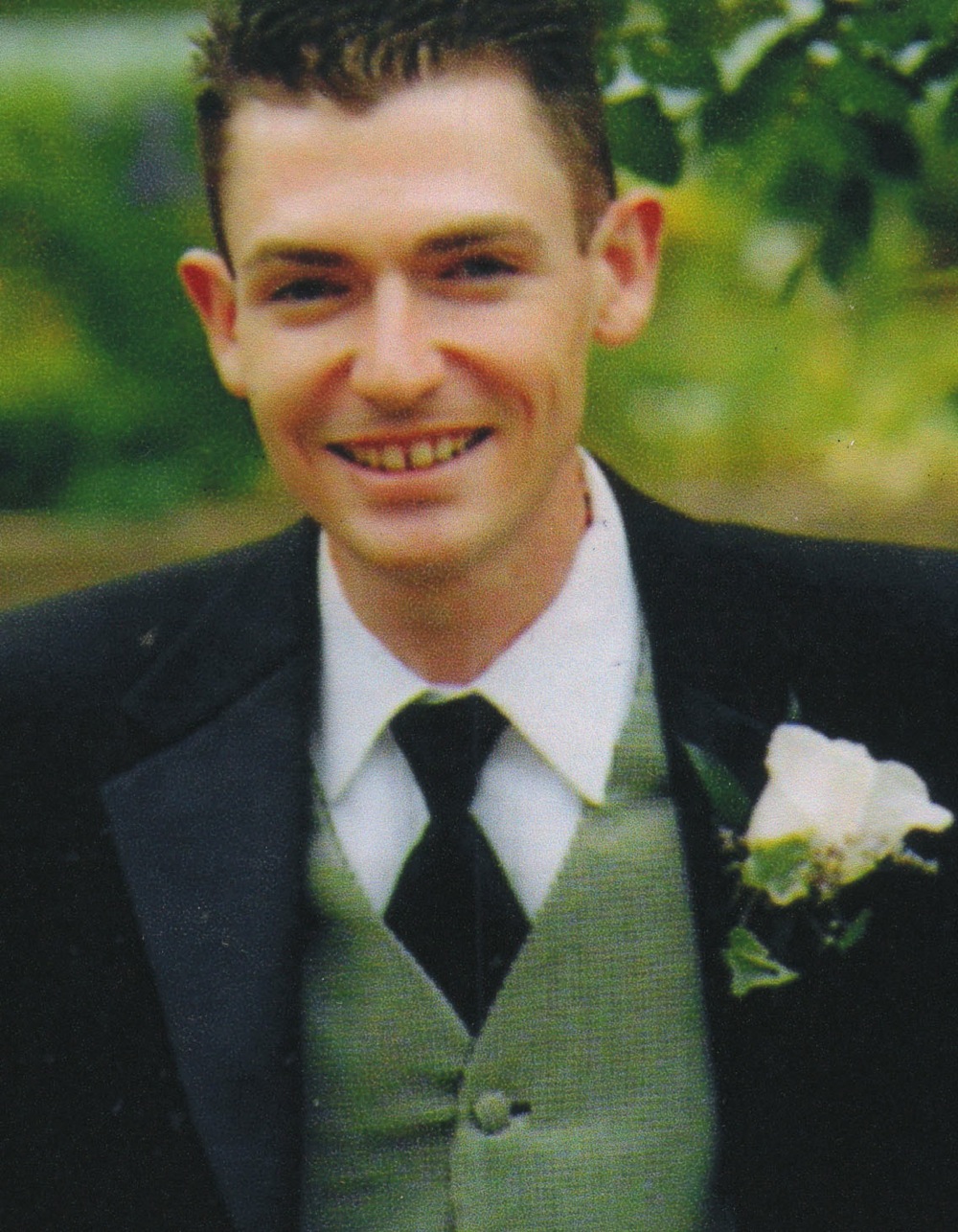
Senior Court Officer Thomas Jurgens was on duty in lower Manhattan on the morning of September 11, 2001. Trained in emergency medicine, he joined fellow Court Officers responding to the World Trade Center after the attacks. Jurgens responded to the towers to assist in the rescue effort and was killed when the towers collapsed.
Jurgens was 26 years old and had already devoted much of his young life to public service. A United States Army veteran who had served as a medic, he was also a volunteer firefighter with the Meadowmere Fire Department, where he attained the rank of Captain. He had joined the New York State Courts in the late 1990s and was serving as a Senior Court Officer at the time of his death. He and his wife, Joan, had been married only a few months.
Jurgens was posthumously promoted to Sergeant by the New York State Courts. His service has continued to be honored by both the Court Officer community and his hometown. In 2006, a Manhattan street corner was dedicated as Court Officer Thomas Jurgens Corner, and in 2011 a street near the Meadowmere firehouse was renamed Captain Thomas Jurgens Avenue in his memory.
Senior Court Officer Mitchel Scott Wallace
End of Watch: September 11, 2001
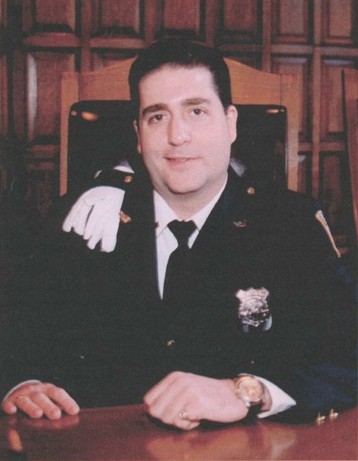
Senior Court Officer Mitchel Scott Wallace was arriving for work in lower Manhattan on the morning of September 11, 2001, when he saw the attack on the World Trade Center. A trained emergency medical technician, Wallace immediately responded to the scene to help. He assisted with the evacuation at Five World Trade Center and was killed when the South Tower collapsed.
Wallace was 34 years old and had a history of using his medical training to help others. Three years before the attacks, he recognized that his fiancée, Noreen McDonough, was exhibiting symptoms of a stroke and got her to the hospital. In 2000, while traveling home on the Long Island Rail Road, Wallace performed CPR for more than 25 minutes on a passenger who had gone into cardiac arrest. The man survived, and Wallace was later recognized for his lifesaving actions by New York Chief Judge Judith S. Kaye.
Wallace had passed the examination for promotion to Sergeant before his death and was later posthumously promoted. His service continues to be remembered by the New York State Courts and the community he called home. The Court Officers Academy bears his name along with those of Captain William Harry Thompson and Senior Court Officer Thomas Jurgens, and the Mitchel Wallace Triangle in Bayside, Queens, was named in his honor.
Captain William Harry Thompson
End of Watch: September 11, 2001
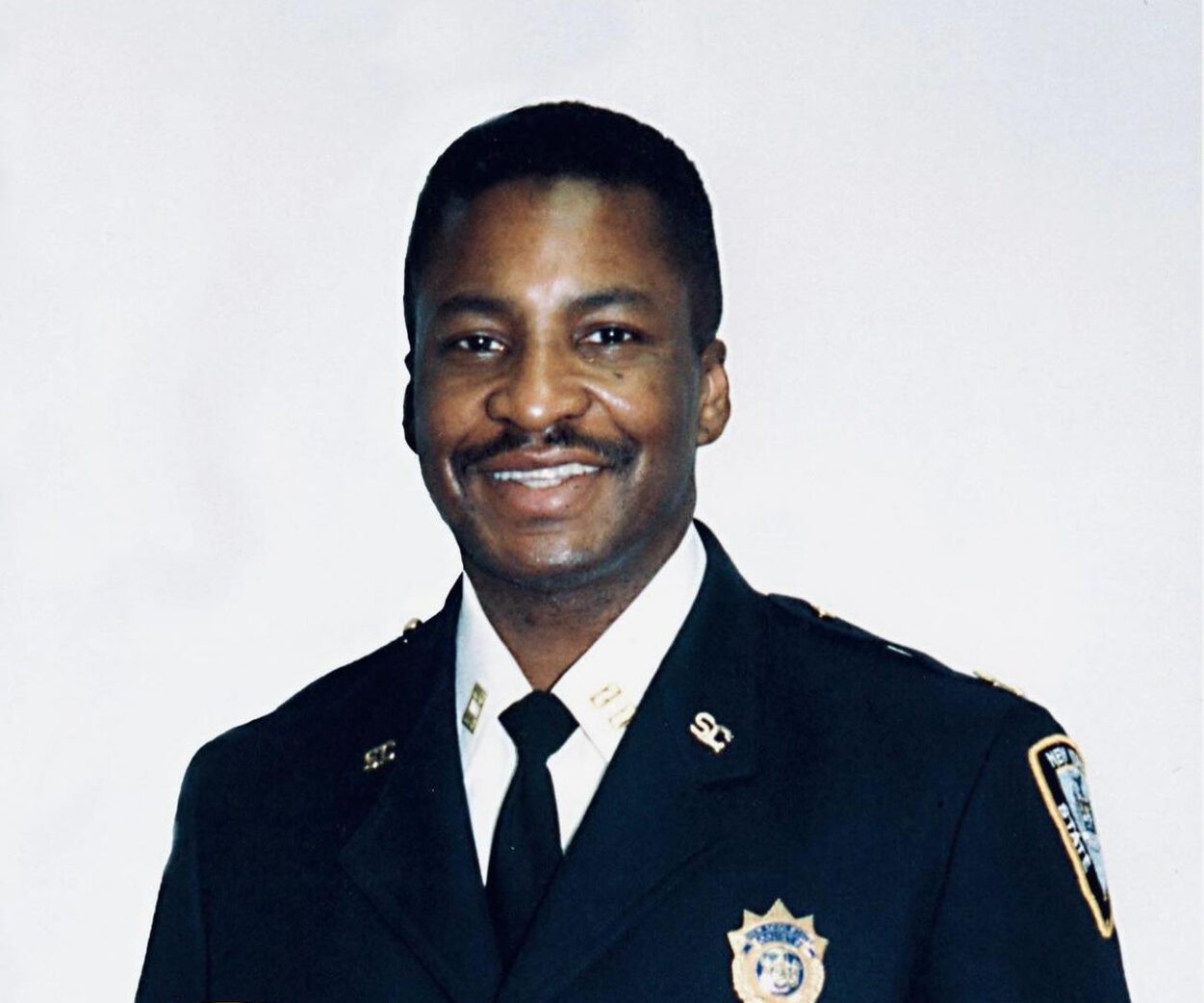
Captain William Harry Thompson was a 27-year veteran of the New York State Courts and an instructor at the Court Officers Academy in lower Manhattan. On the morning of September 11, 2001, Thompson left the Academy and responded with fellow Court Officers to the World Trade Center. He joined the rescue effort and was killed when the South Tower collapsed. He was 51 years old.
Thompson was remembered as a disciplined officer, a demanding instructor, and an exceptionally fit man who routinely climbed the twelve flights of stairs to the Academy rather than take the elevator. His commanding presence and attention to detail made an impression on the officers he trained, but those who knew him also remembered an easygoing and deeply devoted family man. Behind the imposing Captain was a father who carried a wallet filled with photographs of his family.
Thompson’s legacy continues throughout the New York State Courts and beyond. The Court Officers Academy bears his name along with those of Sergeants Thomas Jurgens and Mitchel Scott Wallace, and a section of Lafayette Street in Manhattan was renamed Captain William Thompson Corner in his memory. The Captain Harry Thompson Foundation also carries his name forward through its support of students, youth programs, and community organizations.
The Continuing Toll of September 11
The toll of September 11 did not end with the attacks. In the years that followed, many first responders, Court Officers, recovery workers, volunteers, and others who served at and around the World Trade Center developed serious illnesses associated with their exposure to the site.
Members of the New York State Courts were among those who answered the call that day and in the difficult days and weeks that followed. Many have since faced serious illness, and some have died. Lodge 35 remembers them, their families, and all those who continue to bear the lasting consequences of September 11.

